TikTok “ClickFix” Videos Are Spreading Malware — And Now Targeting Linux
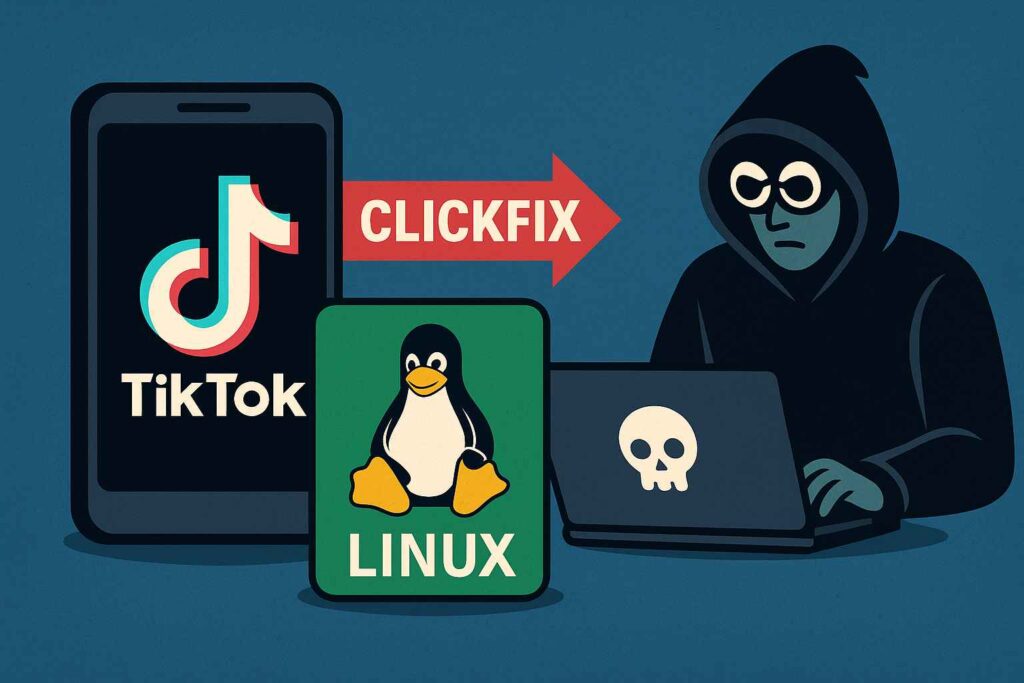
A new social engineering tactic known as “ClickFix” is gaining momentum on TikTok, where seemingly harmless tech tip videos are being used to lure users into downloading malware. These short clips pretend to offer simple fixes for browser issues or system errors, but in reality, they redirect viewers to download malicious files that install infostealers. Even more concerning is that attackers are now starting to experiment with this technique on Linux systems as well — a development covered in detail here: Hackers now testing ClickFix attacks on Linux systems.
The ClickFix tactic preys on user trust and curiosity. When a video promises to solve a frustrating tech problem with just a few clicks, viewers are more likely to follow the instructions — especially if the creator seems knowledgeable or has a large following. The result? Users end up executing malware on their devices without realizing the risks.
How ClickFix Attacks Work
These attacks typically begin with a TikTok video offering a fix for something common — like a slow browser, memory leak, or strange pop-ups. The video then points users to a download link, often hosted on trusted platforms like GitHub, Google Drive, or Dropbox. However, the file being downloaded isn’t a real fix. It’s a bundled executable that installs info-stealing malware such as Lumma, StealC, Raccoon, or Vidar.
Once installed, these infostealers scan browsers for saved passwords, cookies, browsing history, autofill data, and even session tokens. This information is then sent back to the attacker, who can use it to access the victim’s accounts or sell the data on underground forums.
Exploiting Modern Browser Vulnerabilities
ClickFix campaigns rely heavily on known browser vulnerabilities and the fact that most users don’t keep their software fully updated. Modern malware is designed to specifically target browsers like Chrome and Brave.
For instance, recent zero-day vulnerabilities in Chrome on Windows and Linux have made it easier for attackers to execute code or bypass browser protections. Even privacy-focused features are being scrutinized — Brave’s Private Window with Tor has shown weaknesses that may undermine user anonymity if exploited correctly.
Because of how much sensitive data is stored in the browser — from email logins to financial accounts — a single infection can be devastating.
Expanding Threats to Linux Systems
Traditionally, Linux has been less targeted by mass malware campaigns due to its smaller desktop market share and more technical user base. But that is changing. Attackers are now testing ClickFix-style malware aimed at Linux users, especially developers and sysadmins.
The growing number of reported vulnerabilities on Linux is a factor here. For example, a critical zero-day vulnerability in the Linux SMB kernel module was recently discovered, which could allow remote code execution. Combined with a social engineering lure like ClickFix, such a flaw could become a dangerous vector for spreading Linux-based malware.
How to Protect Yourself
Here are some practical ways to stay safe from ClickFix and similar attacks:
- Never download or run executable files linked in TikTok or any other social media platform, even if the source looks trustworthy.
- Verify any tech fix with an official source or community forum before acting on it.
- Keep your browser and operating system up to date, especially when critical vulnerabilities are disclosed.
- Use browser security extensions and endpoint protection tools that can detect and block infostealers.
- Be skeptical of too-good-to-be-true tech tips, especially if they involve downloading external files with vague instructions.
- On Linux, monitor for abnormal activity, enable application sandboxing where possible, and review kernel patch status regularly.
Final Thoughts
The ClickFix trend demonstrates how cybercriminals are adapting to social media and modern content consumption habits. What looks like helpful advice can in fact be an entry point for serious malware infections — not just on Windows, but increasingly on Linux too.
Follow cyptd.com for more cybersecurity updates, threat intelligence, and changelog insights.


1 thought on “TikTok “ClickFix” Videos Are Spreading Malware — And Now Targeting Linux”